
Smart Choices for Durable Roofs: Trends and Tips in Residential Roofing
Understanding Modern Residential Roofing
Homeowners have more options than ever when planning a roof replacement or new roofing installation. Materials, warranties, and techniques continue to evolve, but the fundamentals remain the same: a dry, energy-efficient, and attractive home starts with a well-built roof. Working with a trusted roofer helps match materials to climate, budget, and architectural style while keeping long-term maintenance in mind. From shingle roofing to rubber membranes and metal systems, thoughtful selection pays off in performance and curb appeal.
Shingle Solutions That Stand Up
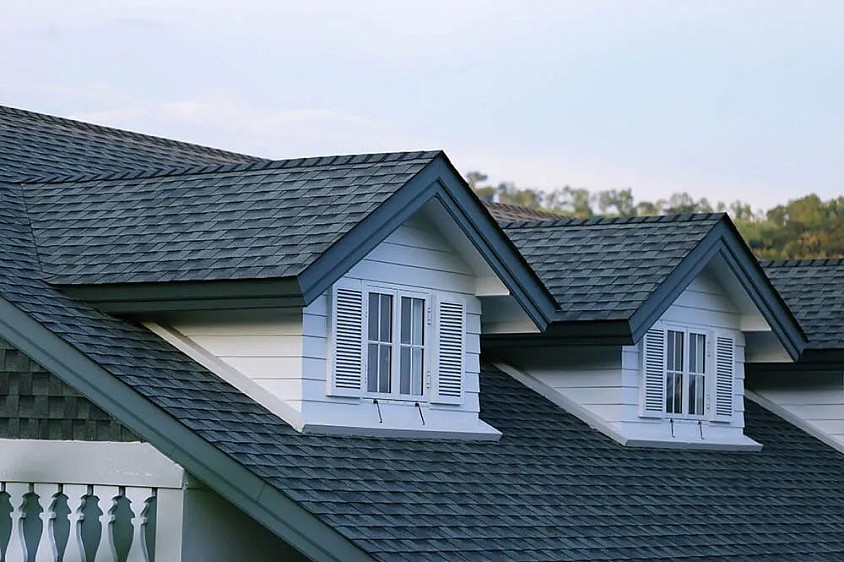
Asphalt shingles remain a popular choice because they balance cost, style, and durability. A skilled roofing company can recommend shingle profiles and underlayments that address wind exposure, ventilation needs, and aesthetic goals. Quality shingle roofing installation and repair hinges on proper flashing, starter courses, and ridge details. Attention to ice and water barriers, ventilation, and fastener placement reduces the risk of premature wear. For many homes, shingles provide a versatile, time-tested path to a successful roof replacement.
Rubber Roofing for Flat and Low-Slope Areas
Low-slope or flat sections demand materials engineered to manage standing water. Rubber roofing is designed for this purpose, offering a smooth, continuous barrier that resists pooling and seasonal temperature swings. A professional roofer will prioritize substrate preparation, seam integrity, and edge termination to keep joints watertight. Rubber systems also integrate well with drains and scuppers, helping move water off the roof quickly. When combined with regular inspections and preventative maintenance, rubber membranes deliver dependable protection over vulnerable footprints like porches, additions, and garages.
Metal Options Built to Last
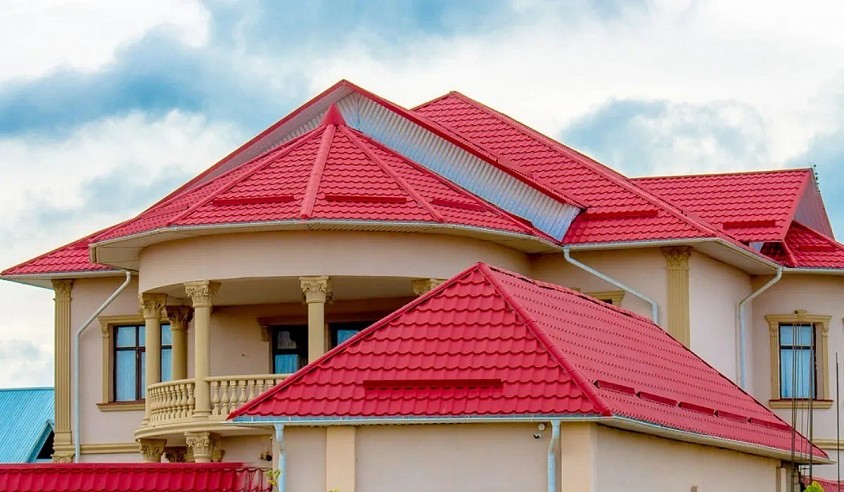
Metal roofing installation has grown in demand due to its long service life and distinctive look. Panels and shingles in steel or aluminum can complement both modern and traditional architecture. Properly installed metal sheds snow efficiently, resists fire, and handles high winds when paired with the right fastening systems and underlayment. Noise concerns are often addressed through attic insulation and solid decking. With experienced craftsmanship, metal systems provide a durable alternative for homeowners seeking low-maintenance performance and crisp lines across complex roof geometries.
Rolled Asphalt and Gutter Essentials
Rolled asphalt roofing offers a practical solution for sheds, utility structures, and certain low-slope areas where simplicity is a priority. While not as robust as multi-layer systems, correct substrate prep, overlap, and sealing extend its useful life. Pairing rolled asphalt or any roof surface with effective gutter installation is crucial. Properly sized and pitched gutters direct water away from fascia, soffits, and foundations, reducing the chance of erosion, basement moisture, and fascia rot. Seam sealing, hanger spacing, and downspout placement are small details that make a big difference in overall drainage performance.
Questions to Ask Your Roofer
Before signing a contract, clarity and communication matter as much as material choice. Consider these points when you speak with a roofing company:
Which materials suit my roof’s pitch and local weather, and why?
How will you handle ventilation, flashing, and underlayment for this project?
What is the projected timeline, and how will you protect landscaping and walkways?
Do you provide photos or descriptions of critical details (valleys, chimneys, and penetrations)?
What maintenance steps should I follow after roof replacement or roofing installation?
How will you manage cleanup, disposal, and final inspection to confirm workmanship?
A Clear Path to a Stronger Roof
Whether choosing shingles, rubber membranes, rolled asphalt, or metal, success starts with planning and ends with thorough execution. A dependable roofer will align materials with roof pitch, drainage, and design, then follow best practices from the deck up. Combine precise installation with well-designed gutters to keep water where it belongs—away from your home. With informed choices and skilled labor, your next roofing project can deliver lasting protection, efficiency, and a refreshed look that stands the test of time.
Choosing the Right System for Long-Lasting Protection: A Homeowner’s Roofing Guide
The Homeowner’s Guide to Durable Roofs and Smart Upgrades
A strong, well-designed roof does more than keep out the weather; it protects a home’s value, efficiency, and comfort. Whether planning a fresh roofing installation, weighing roof replacement, or simply keeping up with seasonal maintenance, homeowners benefit from understanding their options and how each system performs. Working with a trusted roofer and a reputable roofing company can make all the difference in quality, safety, and peace of mind.
Shingle Roofing Installation and Repair
Asphalt shingles remain a popular choice for their balance of style, performance, and accessibility. Modern shingles come in a variety of profiles and colors, helping match neighborhood aesthetics and personal taste. Proper roofing installation is crucial: correct nailing patterns, starter strips, and ridge caps help resist wind uplift and water intrusion. Routine inspections catch issues like lifted tabs, missing granules, or minor leaks early, allowing targeted repairs before moisture reaches the decking. Thoughtful attic ventilation and underlayment selection also extend shingle life and help a home run more efficiently year-round.
Rubber Roofing for Flat or Low-Slope Roofs
Flat and low-slope areas pose unique drainage challenges, making rubber roofing a reliable solution. Seam integrity is central to performance, so clean substrates and accurate membrane placement matter. Experienced crews ensure edges, penetrations, and transitions are fully sealed, especially near HVAC curbs and skylights. Routine care is straightforward: keep surfaces clear of debris, verify scuppers and drains are open, and check flashings after storms. When maintained, rubber systems deliver a durable, watertight shield and reduce the likelihood of ponding and related structural stress.
Rolled Asphalt Roofing
Rolled asphalt roofing offers a streamlined approach for sheds, porches, or auxiliary structures, and can be used on certain low-slope sections of a home. While installation is relatively direct, substrate preparation and overlap precision are key to avoiding capillary leaks. Homeowners should confirm compatibility with the roof’s pitch and climate patterns. Periodic walkthroughs to spot blisters, cracks, or edge lift keep small concerns from spreading. When installed by a knowledgeable roofer, rolled systems provide practical coverage where shingles or other materials may not be the best fit.
Metal Roofing Installation
Metal roofing has grown in popularity thanks to its longevity, refined appearance, and dependable weather resistance. Panel layout, fastening systems, and sealant selection are major factors in long-term performance. Properly installed metal resists wind, sheds snow efficiently, and handles rapid temperature swings. Details like underlayment, clip spacing, and ridge and eave treatments contribute to a quieter, more stable system. Metal’s reflective finishes can also help temper attic heat when paired with balanced ventilation. Because precision matters, homeowners should partner with a roofing company experienced in panel fabrication and flashing design.
Gutter Installation to Protect the Perimeter
Even the best roof can struggle if water isn’t directed safely away from the home. Gutter installation supports the entire system by capturing runoff and sending it to downspouts that discharge away from the foundation. Correct sizing, securely fastened hangers, and properly pitched runs help prevent overflow and ice-related complications. Guards can reduce debris build-up, but routine cleaning still matters. By keeping fascia, siding, and landscaping drier, well-planned gutters extend the life of roofing materials and reduce maintenance throughout the property.
Essential Roof Care Checklist
Schedule seasonal inspections to spot small issues before they grow into roof replacement needs.
Clear branches, leaves, and debris from valleys, gutters, and low-slope surfaces.
Check penetrations—vents, chimneys, and skylights—for cracked or loose flashing.
Verify attic ventilation and insulation are balanced to reduce heat and moisture buildup.
After heavy storms, look for lifted shingles, dented metal, or membrane scuffs.
Keep nearby trees trimmed to limit abrasion and shade-related moss or algae.
Document conditions with photos to track wear over time and plan proactive maintenance.
Tailoring Your Roof to Your Home
A home’s roof should be tailored to its architecture, climate, and budget priorities. From shingle roofing installation and repair to rubber membranes, rolled asphalt, metal systems, and supportive gutter installation, solutions exist for nearly any scenario. With attentive care and skilled craftsmanship from a professional roofer, your roofing investment will stand strong through the seasons.
The Modern Roofing Landscape for Homes and Small Businesses
What Today’s Homeowners Expect
Today’s homeowners expect roofing that balances curb appeal, durability, and long-term value. They look for materials and methods that stand up to weather while fitting budgets and timelines. A skilled roofer brings guidance on product options, installation techniques, and ongoing care, helping clients avoid costly surprises. With better underlayments, improved ventilation strategies, and more resilient shingles and membranes, the industry delivers solutions that protect structures and reduce maintenance.
Material Options That Make Sense
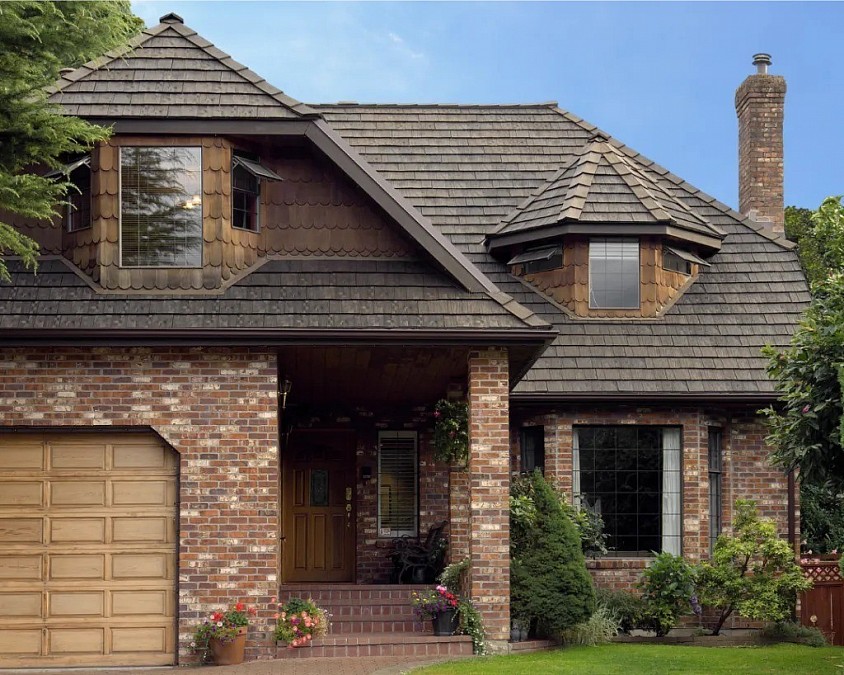
Choosing the right system starts with understanding how each option performs in your climate and on your roof’s shape. Shingle roofing installation and repair remains a staple for pitched roofs because asphalt shingles offer reliable weather resistance and versatile style. Rubber roofing for flat or low-slope roofs provides watertight seams and flexibility under temperature swings. Rolled asphalt roofing can be a pragmatic choice for outbuildings or secondary structures. Metal roofing installation delivers excellent longevity and a crisp architectural look, with panels that shed snow and resist wind uplift when properly fastened.
The Value of Proper Installation
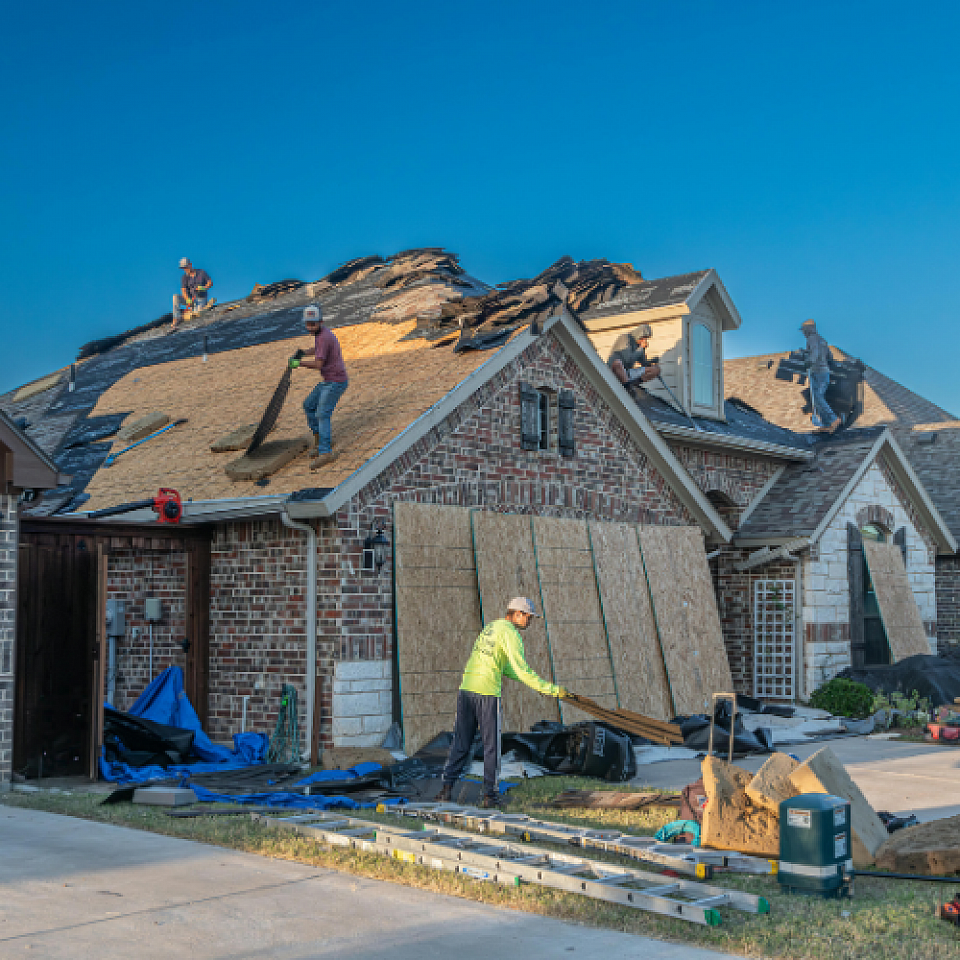
Even the best products fail without proper technique. Quality roofing installation begins with substrate prep, including sheathing checks and moisture control. Flashing placement around chimneys, skylights, and wall transitions is critical to preventing leaks. Ventilation design—balanced intake and exhaust—extends roof life by reducing attic heat and moisture. A conscientious roofing company also prioritizes jobsite safety, clear timelines, and clean tear-offs, minimizing disruption to daily life.
When Roof Replacement Is the Right Call
Repairs help when damage is localized, but widespread granule loss, curled tabs, chronic leaks, or saturated insulation can signal the need for roof replacement. The decision should weigh age, extent of wear, and the costs of recurring fixes. A thorough inspection, including fastener pull tests on metal, seam checks on rubber membranes, and underlayment assessment on shingle systems, informs whether replacement will provide better long-term value than patchwork repairs.
Protecting the Edges and Extending Lifespan
Gutter installation is often overlooked, yet it holds a major role in roof performance. Properly sized and pitched gutters carry water away from fascia, soffits, and foundations, preventing rot and erosion. Good maintenance habits reduce risks and keep warranties intact. Consider the following:
Clean gutters and downspouts seasonally to prevent backups.
Trim overhanging branches to reduce debris and abrasion.
Inspect flashing after storms to catch early issues.
Address ponding on low-slope areas before it compromises seams.
Partnering With the Right Professional
Selecting a roofer is about more than price. Look for transparent proposals, clear material specifications, and references that reflect projects similar to your own. Confirm licensing and insurance, ask about crew training, and review manufacturer credentialing. A dependable roofing company will explain why a certain assembly suits your roof’s pitch, exposure, and ventilation profile. With the right partner, everything from routine service to full roof replacement becomes a smooth, predictable process that enhances the safety, beauty, and value of your property.
Smart Choices for Lasting Roofs: A Practical Guide for Homeowners
The Homeowner’s Guide to Modern Roofing Choices
A solid roof is more than a cap on your home—it’s a weather shield, an energy manager, and a long-term investment. Whether you’re planning a roof replacement or exploring your options for a new build, understanding materials, installation practices, and maintenance can save time, stress, and money. A knowledgeable roofer helps you weigh durability, style, and budget, but an informed homeowner makes the best decisions.
Understanding Your Roof’s Role
A well-built roofing system sheds water, resists wind, and supports ventilation. It also protects insulation and framing from moisture. When thinking about roofing installation, consider the entire system: decking, underlayment, flashing, ventilation, and gutters. Each component works together to defend your home’s structure and indoor comfort.
Shingle Solutions for Versatility and Value
Asphalt shingles remain a popular choice for a reason. They balance cost, curb appeal, and reliability. Modern shingles come in a range of profiles and colors that complement most architectural styles. Shingle roofing installation and repair is straightforward for an experienced roofer, and replacement shingles are readily available if a storm damages a few tabs. Proper attic ventilation and balanced intake and exhaust extend shingle life and reduce heat buildup that can age materials prematurely.
Flat and Low-Slope Options: Rubber and Rolled Asphalt
For flat or low-slope roofs, rubber roofing is a proven option. Rubber roofing for flat or low-slope roofs creates a continuous membrane that resists standing water and provides dependable weatherproofing when seams are properly sealed. Rolled asphalt roofing offers another practical solution for sheds, garages, or auxiliary structures where a lighter, economical covering is appropriate. The key to both systems is meticulous surface preparation and expert flashing at edges, penetrations, and transitions.
Metal Roofing Installation for Longevity
Metal roofing installation delivers notable durability with sleek, modern aesthetics or traditional profiles that mimic shakes and tiles. Panels can be configured for superior shedding of snow and rain, which is valuable in climates with seasonal extremes. A qualified roofing company will evaluate substrate condition, fastener systems, and underlayment selection to reduce noise, resist uplift, and ensure thermal movement is accommodated. While initial costs can be higher than shingles, many homeowners appreciate the extended service life and low maintenance.
Gutter Installation: Small Component, Big Impact
Gutter installation often gets overlooked during roof planning, but it’s essential. Gutters channel water away from fascia, siding, and foundations, helping prevent erosion and basement moisture. Proper slope, secure hangers, and well-placed downspouts support the work your roof already does. Pairing new gutters with roof replacement is efficient, ensures matching finishes, and allows for coordinated flashing.
Maintenance and Planning: A Simple Homeowner Checklist
1. Schedule seasonal inspections to catch loose shingles, lifted edges on rubber membranes, or worn sealant at flashings before leaks start.
2. Keep valleys, gutters, and downspouts clear of leaves and grit so water flows freely and doesn’t back up under roofing materials.
3. Check attic ventilation and insulation to manage heat and moisture; balanced airflow supports material longevity and indoor comfort.
4. After severe weather, look for missing granules, bent metal panels, or punctures from debris and arrange prompt repairs.
5. Document any work performed, including roofing installation details, materials used, and warranty information for future reference.
6. Trim overhanging branches to minimize abrasion, shade-related algae, and limb damage during storms.
7. Address small issues quickly; minor shingle roofing installation and repair today can prevent a larger roof replacement tomorrow.
Choosing the Right Partner
Selecting a roofing company with proven expertise across materials—shingles, metal, rubber, and rolled asphalt—helps ensure your project is matched to your roof’s pitch, local climate, and design goals. Ask about crew training, manufacturer certifications, and jobsite safety. A reputable roofer will explain underlayment types, ventilation strategies, and flashing details so you know exactly what protects your home.
Final Thought
Your roof is a system, not just a surface. With thoughtful material selection, professional craftsmanship, and routine care, your home’s roofing will perform reliably for years. Prioritize quality, ask informed questions, and align your choices with your property’s needs to make the most of your investment.
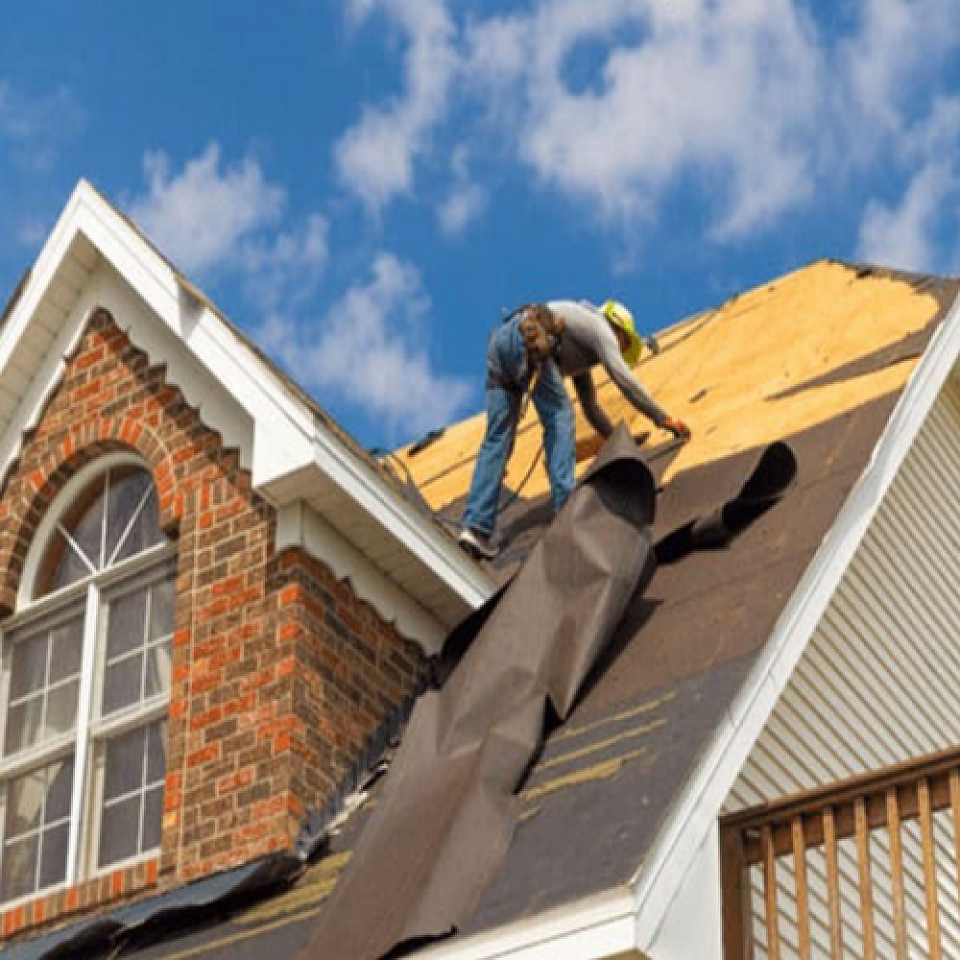
The Evolving Roof: Materials, Methods, and Maintenance That Matter
In every season, the roof over a home does more than shed rain and snow—it safeguards structure, efficiency, and comfort. The industry continues to refine materials and methods so property owners can balance performance, longevity, and style. Whether you’re planning a small repair or a full roof replacement, informed choices help stretch budgets and protect curb appeal.
Trends in Materials and Design
Homeowners are looking for resilient systems that perform in varying climates while reducing maintenance. Architectural shingles remain popular for their layered look and balanced cost-to-durability ratio. For low-slope or flat areas, modern rubber roofing provides watertight protection with fewer seams. Metal options are gaining attention for their sleek profiles and impressive service life, especially when paired with proper ventilation and underlayment. Across these categories, manufacturers continue to improve granules, coatings, and adhesives to enhance UV resistance and weathering.
Choosing the Right System for Your Home
Selecting materials begins with roof pitch, local weather, and budget. A trusted roofer will assess decking integrity, flashing, ventilation, and drainage before recommending solutions. Steeper slopes typically pair well with shingle systems, while low-slope sections favor rubber membranes or rolled asphalt to prevent standing water. If energy efficiency is a goal, lighter-colored finishes and reflective coatings can help minimize heat absorption. Each option should be evaluated not just for initial cost, but for maintenance requirements and expected lifespan.
What to Expect During Roofing Installation
A successful roofing installation follows a clear plan and strict safety protocols. Crews prepare the site, protect landscaping, and remove old layers as needed. Decking is inspected and repaired before underlayments, drip edges, and flashings are applied. Valleys, penetrations, and eaves demand meticulous detailing to prevent leaks. Ventilation strategies—ridge vents, soffit vents, or a combination—are essential for reducing moisture and regulating attic temperatures. With metal roofing installation, panel alignment, fastening patterns, and expansion allowances require particular care.
When Repair Beats Replacement—and When It Doesn’t
Minor issues can often be resolved quickly, but larger problems may call for roof replacement. Look for these signs:
- Recurrent leaks or widespread shingle loss after storms
- Curled, cracked, or blistered shingles across broad areas
- Failing seams on rubber membranes or rolled asphalt
- Rusted or improperly sealed flashing around chimneys and vents
If damage is localized and the rest of the system is sound, targeted repair can extend service life. However, when aging materials combine with chronic leaks or structural concerns, a well-timed roof replacement may reduce long-term costs and risk.
Essential Add-Ons: Flashing, Gutters, and Details
A high-performing system is more than surface materials. Quality flashing around skylights, chimneys, and sidewalls directs water safely away from vulnerable joints. Properly sized gutters and downspouts manage runoff, protect foundations, and prevent fascia damage. For homeowners considering upgrades, gutter installation with guards can reduce clogs and seasonal maintenance. Finally, ridge caps, starter strips, and ice-and-water barriers form the finishing touches that separate an ordinary project from an exceptional one.
Working With a Roofing Company You Trust
A reputable roofing company should provide clear scopes, material options, and warranty details in writing. Ask about crew experience, safety training, and cleanup protocols. Reliable scheduling, transparent communication, and photo documentation of progress help homeowners stay informed from inspection through final walkthrough. Whether the project involves shingle roofing installation and repair, rubber roofing for a low-slope section, rolled asphalt on an outbuilding, or a metal roofing installation, the right partner keeps the process smooth, safe, and on budget.
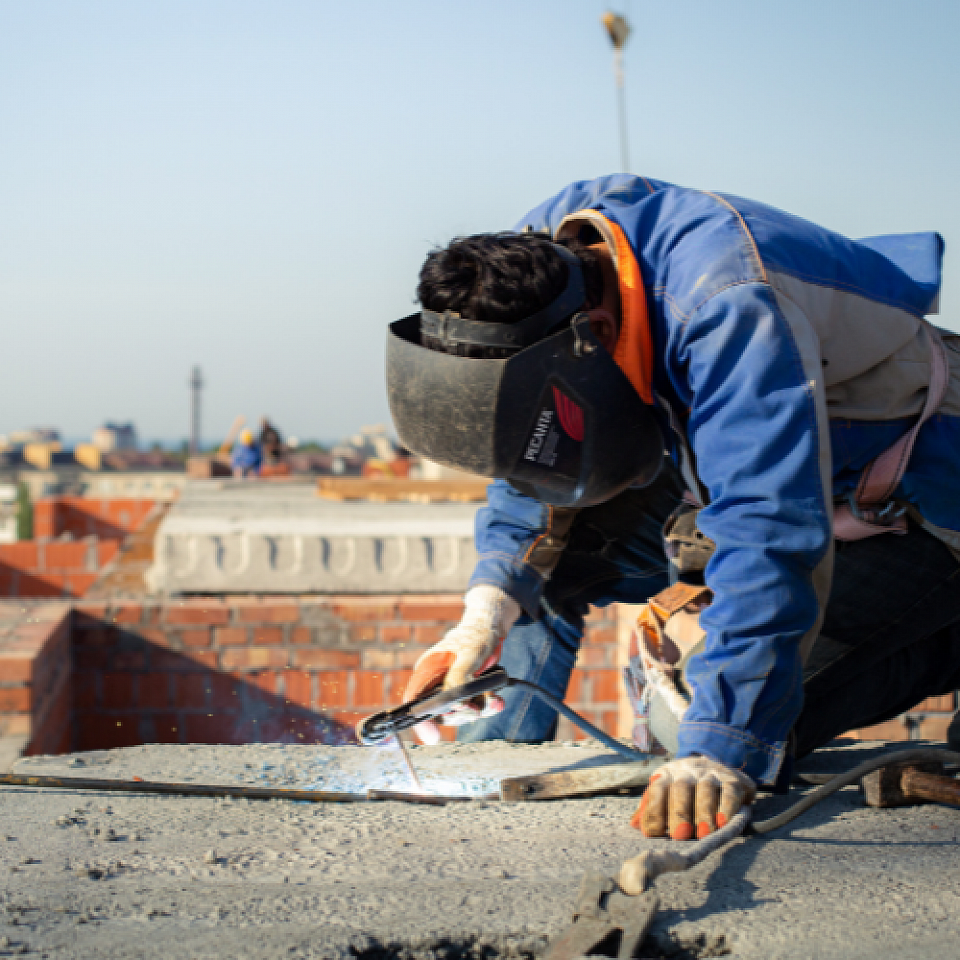
Smart Smart Choices for Residential Roofs in Coastal Communities
Understanding Modern Residential Roofing Options
Coastal homes face constant exposure to wind, sun, and salt air, which makes thoughtful planning essential for any roofing project. Whether scheduling a fresh roofing installation or considering a targeted repair, homeowners benefit from evaluating materials, slope, and long-term maintenance. A trusted roofer can help match your home’s design and conditions with the right system, extending service life and improving curb appeal. When wear is beyond patching, timely roof replacement protects the structure below and prevents interior damage.
Shingle Systems: Reliable and Versatile
Asphalt shingles remain a popular choice for their balance of durability, style, and repairability. For many sloped roofs, shingle roofing installation and repair can address localized damage quickly, especially after wind-driven storms. Proper ventilation and underlayment are crucial to performance, particularly near the coast where moisture and temperature swings are common. Look for shingles with strong adhesion features and algae resistance, and ensure flashing is carefully integrated around valleys, walls, and penetrations. A skilled roofing company will focus on the small details that keep water moving away from your home.
Flat and Low-Slope Solutions: Rubber Roofing
Rubber roofing for flat or low-slope roofs provides a continuous membrane that minimizes seams and stands up well to pooled water. Attention to edges and transitions is key to preventing infiltration, and professional installation techniques—such as secure adhesion and correct termination bars—make all the difference. Regular inspections help catch punctures or lifted seams early. Pairing rubber systems with well-designed drainage and gutter installation supports performance by moving water off the roof surface and away from the foundation.
Budget-Friendly Protection: Rolled Asphalt
Rolled asphalt roofing offers a straightforward, economical option for utility structures, sheds, and certain low-slope applications. While it typically has a shorter service life than other systems, proper substrate preparation and precise sealing can yield dependable results. It is essential to follow manufacturer guidelines on slope requirements and overlaps. Homeowners who value quick deployment and manageable costs may find this solution fits short- to medium-term needs, especially when paired with routine inspections by an experienced roofer.
Durable Upgrades: Metal Roofing Installation
Metal roofing installation delivers notable longevity and resilience. Panels or shingles made from coated steel or aluminum resist corrosion and shed water efficiently when installed with correct fasteners and underlayments. In windy areas, fastening systems and edge detailing are critical. Metal can complement both modern and traditional architecture, offering color stability and a clean aesthetic. To reduce noise and improve energy performance, consider compatible insulation and venting strategies recommended by a knowledgeable roofing company.
Planning Your Project: From Inspection to Cleanup
A successful roofing project follows a clear plan. Use the steps below to stay organized and informed:
1. Assessment: Begin with a thorough inspection to identify leaks, damaged shingles, membrane issues, or rusted flashing and to evaluate whether repairs or roof replacement make sense.
2. Material Selection: Match your roof’s slope and climate with suitable options—shingle, rubber, rolled asphalt, or metal—balancing durability, maintenance, and appearance.
3. Scope and Timeline: Work with a roofer to define tasks, discuss access, and establish a weather-aware schedule that limits disruption and protects open areas.
4. Ventilation and Drainage: Confirm that attic ventilation, flashing, and gutter installation will support long-term performance and meet code requirements.
5. Installation Quality: Prioritize manufacturer-approved techniques, proper fasteners, and meticulous sealing around penetrations, skylight frames, and edges.
6. Post-Project Review: Inspect the finished work, verify debris removal, and schedule periodic maintenance to extend the roof’s service life.
Choosing the right path—repair, reroofing, or full roof replacement—depends on condition and goals. With careful planning, proper materials, and skilled roofing installation, homeowners can achieve reliable performance and attractive results. Partnering with a reputable roofing company and staying proactive about maintenance will help keep your home protected season after season.
Smart Choices for Durable Roofs: Materials, Methods, and Maintenance Homeowners Trust
Modern Residential Roofing: A Practical Guide for Homeowners
Choosing the right system for your home requires more than picking a color or a style. A durable, weather-ready ROOFING strategy blends material selection, expert ROOFING INSTALLATION, and ongoing upkeep. Homeowners weighing ROOF REPLACEMENT versus repairs benefit from understanding what each option delivers in performance, budget, and longevity, as well as how a trusted ROOFER evaluates a roof’s health.
Shingles: The Versatile Favorite
Asphalt shingles remain a go-to for many homes due to their balance of cost and dependability. Shingle ROOFING INSTALLATION and repair can address issues ranging from missing tabs to minor leaks when caught early. When shingles curl, lose granules widely, or show widespread cracking, a full ROOF REPLACEMENT may be the safer, longer-term solution. Proper ventilation and underlayment matter as much as the shingles themselves, helping reduce moisture buildup and extending service life.
Rubber Roofing for Flat or Low-Slope Roofs
Flat and low-slope sections present unique challenges, especially with drainage. Rubber ROOFING provides a continuous, watertight membrane that resists pooling and seam failures. It’s often chosen for additions, porches, or garage roofs where a conventional shingle system would be vulnerable. A knowledgeable ROOFER will confirm substrate condition, slope adequacy, and edge details before installation to ensure a tight seal and reliable performance.
Rolled Asphalt: Practical and Efficient
Rolled asphalt ROOFING offers a straightforward solution for certain low-slope applications. It is typically quicker to install than multi-layer systems and can be a practical choice for outbuildings or specific residential sections. While it may not match premium materials for lifespan, careful flashing work and timely maintenance can keep it functioning well. Homeowners should schedule periodic inspections to catch early wear at seams and transitions.
Metal Roofing Installation for Long-Term Value
Metal ROOFING INSTALLATION appeals to homeowners seeking a sturdy, energy-conscious option with excellent weather resistance. Metal panels manage snow and rain efficiently and are available in profiles that complement a range of architectural styles. Attention to fastener systems, underlayment, and flashing around penetrations is crucial for a tight, durable fit. When properly installed by a skilled ROOFER, metal can offer long service with minimal upkeep beyond routine checks.
Gutter Installation: The Unsung Protector
Even the best roof needs effective water management. Gutter installation helps prevent fascia damage, foundation erosion, and water intrusion near eaves. Oversized downspouts and clean runs reduce the risk of overflow during heavy rain. Pairing gutters with appropriate drip edge and kick-out flashing creates a complete system that moves water away from siding and landscaping.
Key Steps to a Successful Roofing Project
1) Get a professional inspection: A thorough assessment by an experienced ROOFING COMPANY can reveal hidden issues with decking, ventilation, and flashing.
2) Choose the right material for the slope: Shingles for standard pitches; rubber or rolled asphalt for low slope; metal for longevity and weather defense.
3) Prioritize ventilation and underlayment: Balanced airflow and quality underlayment help prevent moisture damage and ice-related issues.
4) Plan for proper flashing: Chimneys, valleys, and skylights need precise flashing to stop leaks before they start.
5) Schedule routine maintenance: Seasonal checkups keep minor problems from turning into costly ROOF REPLACEMENT projects.
6) Document warranties and maintenance: Keep records to protect your investment and support coverage.
When to Repair vs. Replace
Localized damage—like a few missing shingles or a small seam failure on rubber—often points to repair. Widespread shingle loss, chronic leaks, or saturated underlayment suggests it’s time to discuss ROOF REPLACEMENT. A trusted ROOFER will explain the trade-offs and create a plan that fits the home’s needs.
The Bottom Line
Successful ROOFING outcomes depend on informed choices, skilled ROOFING INSTALLATION, and steady care. Whether selecting shingle, rubber, rolled asphalt, or metal, thoughtful planning and reliable craftsmanship help ensure your home stays protected season after season.
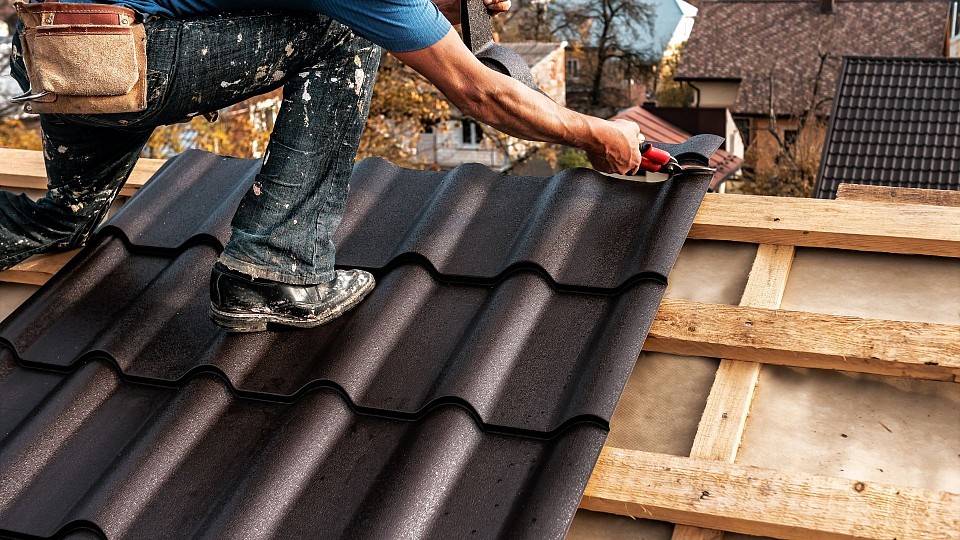
The Modern Roof: Materials, Methods, and Maintenance
Trends Driving Today’s Roofing Choices
Homeowners are weighing durability, curb appeal, and energy performance when selecting a roof. The conversation no longer stops at color and style; it now includes weather resilience, ventilation, and long-term serviceability. Whether you work with a local roofer for a small repair or plan a full roof replacement, understanding material options and installation techniques helps you make confident decisions that protect your home for decades.
Shingles: Reliable, Adaptable, and Cost-Conscious
Asphalt shingles remain a go-to for many households because they balance performance and aesthetic flexibility. Modern laminated shingles come in profiles that mimic wood shakes or slate and can be paired with upgraded underlayments for added moisture defense. Shingle roofing installation and repair are straightforward for experienced crews, and routine maintenance—like replacing worn sealant around penetrations—can extend service life. Proper attic ventilation and intake/exhaust balance reduce heat buildup, which preserves shingle granules and helps prevent premature failure.
Rubber Roofing for Flat and Low-Slope Areas
Low-slope sections demand materials engineered to shed water slowly and seal tightly at seams. Rubber roofing for flat or low-slope roofs excels here thanks to its single-ply design and reinforced edges. When installed over a clean, well-prepped substrate with carefully rolled seams, it forms a continuous membrane that resists standing water. Regular inspections after major storms help catch punctures early, and simple patch systems can restore integrity without extensive tear-off.
Metal Roofing Installation: Longevity Meets Style
Metal panels have surged in popularity due to their longevity, sleek appearance, and reflective finishes that can mitigate heat gain. Standing seam systems conceal fasteners and channel water efficiently, while metal shingles offer a classic look with modern performance. Successful metal roofing installation hinges on accurate panel layout, allowance for expansion and contraction, and proper flashing at valleys and transitions. With the right underlayment and fastening patterns, metal roofs perform impressively across a range of climates.
Rolled Asphalt and Functional Upgrades
Rolled asphalt roofing serves utility structures, porches, and certain low-slope applications where a pragmatic, budget-friendly layer is needed. When paired with solid decking and correct lap sealing, it offers reliable weather protection. Beyond the surface materials, don’t overlook gutters. Effective gutter installation directs water away from fascia and foundations, curbing erosion and preventing ice-related damage at eaves. Upgrading to larger downspouts, adding gutter guards, and checking pitch help your system perform under heavy rainfall.
Essential Maintenance and Warning Signs
A proactive plan helps avoid surprise leaks and costly interior repairs. Keep an eye on:
- Missing or curled shingles and loose ridge caps
- Exposed fasteners or lifted seams on metal and rubber roofs
- Clogged gutters and overflowing downspouts
- Stains on ceilings or damp insulation near vents
- Moss, lichen, or debris that traps moisture
When these issues pop up, timely attention from a trusted roofing company prevents minor concerns from escalating. Choose a contractor who documents findings with photos, explains options clearly, and provides a detailed scope—whether the solution is a localized fix or a full roof replacement.
Planning Your Project the Right Way
Strong results start with careful planning. Define goals—lifespan, look, and budget—before selecting materials. Confirm that ventilation, flashing details, and underlayment choices align with your climate. Ask about manufacturer specifications and warranties, and ensure the crew follows best practices for fasteners, sealants, and edge metal. A seasoned roofer brings valuable insight about local conditions, from wind exposure to freeze-thaw cycles, helping you tailor a system that stands up to everyday weather and the occasional storm.
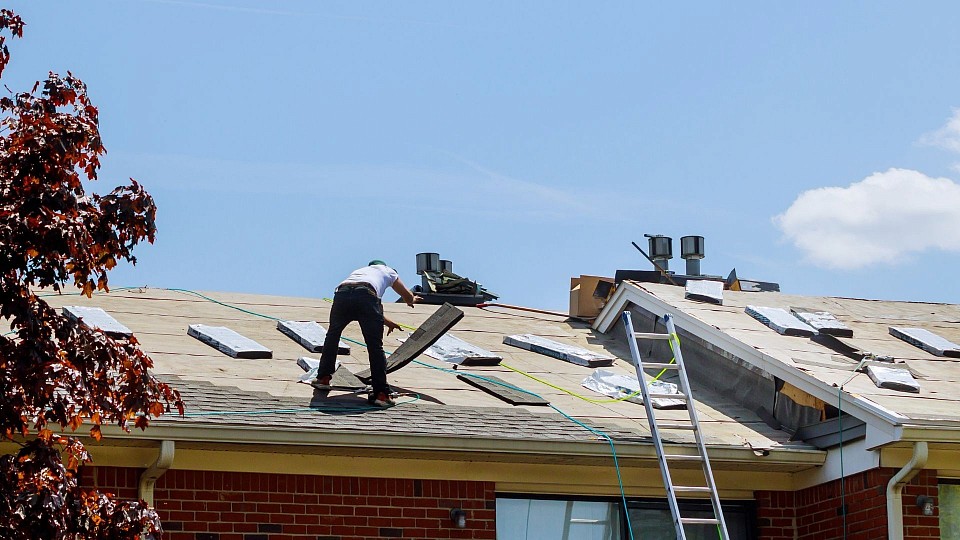
Navigating Modern Residential Roofing: Materials, Methods, and Maintenance
The State of Residential Roofing Today
Homeowners have more options and information than ever when it comes to roofing. From material selection to installation methods, the choices you make influence longevity, energy performance, and curb appeal. Working with a knowledgeable roofer ensures the right approach for your home’s design and climate, whether you’re planning routine maintenance, a targeted repair, or a full roof replacement. The goal is a resilient system that sheds water effectively, resists wind, and ages gracefully with proper care.
Choosing the Right Material for Your Home
Material choice drives performance and appearance. Shingle roofing installation and repair remain popular for their balanced cost, versatility, and broad style palette. Architectural shingles can complement many architectural styles while providing dependable weather protection. Rubber roofing for flat or low-slope roofs offers a continuous membrane that reduces seams and helps manage standing water, making it ideal for porches, additions, and contemporary designs. Rolled asphalt roofing can be a practical solution for certain outbuildings or low-slope applications where a straightforward, durable layer is needed. Metal roofing installation provides a sleek profile and notable longevity when installed correctly, and it can perform well in a variety of climates.
When Roof Replacement Makes Sense
Not every leak requires a new roof. Sometimes targeted repair addresses isolated issues like flashing failures or a few damaged shingles. However, roof replacement is a sound choice when the system is nearing the end of its service life, widespread granule loss appears on shingles, or there are chronic leaks across multiple areas. Structural concerns, such as pervasive decking rot discovered during inspection, also tilt the balance toward replacement. A reputable roofing company will evaluate the whole system—decking, underlayment, ventilation, and coverings—before recommending the best course of action.
Craftsmanship and Safety from a Professional Roofer
Quality outcomes start with safe, precise work. A trained roofer follows manufacturer guidelines, respects weather windows, and uses appropriate fasteners and flashing techniques. Proper tear-off, substrate prep, and underlayment installation set the stage for the visible layer to succeed. Attention to ventilation—intake and exhaust—helps regulate attic temperatures and moisture, supporting the roof’s long-term health. Experienced crews also protect landscaping, manage debris responsibly, and maintain clear communication as the project progresses.
Roofing Installation Best Practices
A successful roofing installation is a sequence of carefully executed steps. From inspecting deck integrity to aligning starter courses and sealing penetrations, each detail matters. Chimney and valley flashing demands precise fitting to prevent water intrusion. Ice and water barriers in vulnerable areas add extra defense. Consistent nailing patterns within manufacturer specs keep materials secure in high winds. Finally, a thorough walkthrough and cleanup confirm the system is watertight and the property is respected.
Gutter Installation and Drainage Considerations
Even the best roof underperforms without proper drainage. Gutter installation complements the roofing system by directing water away from fascia, siding, and foundation. Correct sizing, downspout placement, and slope help prevent overflow and pooling. Leaf guards can reduce maintenance, and splash blocks or extensions move runoff away from the structure. Coordinating roof edges, drip edge flashing, and gutter placement ensures stormwater exits efficiently.
A Homeowner’s Decision Checklist
1. Define your goals: longevity, appearance, maintenance needs, and budget should guide material selection.
2. Match the system to the roof pitch: shingles for standard slopes, rubber roofing for flat or low-slope areas, and metal where appropriate.
3. Verify ventilation and insulation: a balanced attic environment supports durability and energy performance.
4. Insist on proper flashing: protect valleys, chimneys, skylights, and wall intersections to prevent leaks.
5. Plan drainage: integrate gutter installation with the roof design to handle heavy rainfall.
6. Choose proven crews: select a roofing company that demonstrates clear communication, documented training, and strong references.
7. Schedule seasonal inspections: catch small issues early to avoid larger repairs or premature roof replacement.
A thoughtful approach to materials, installation techniques, and ongoing care keeps a home protected in all seasons. With the right roofer guiding the process, you can expect a durable, attractive roof system that serves your home well for years to come.
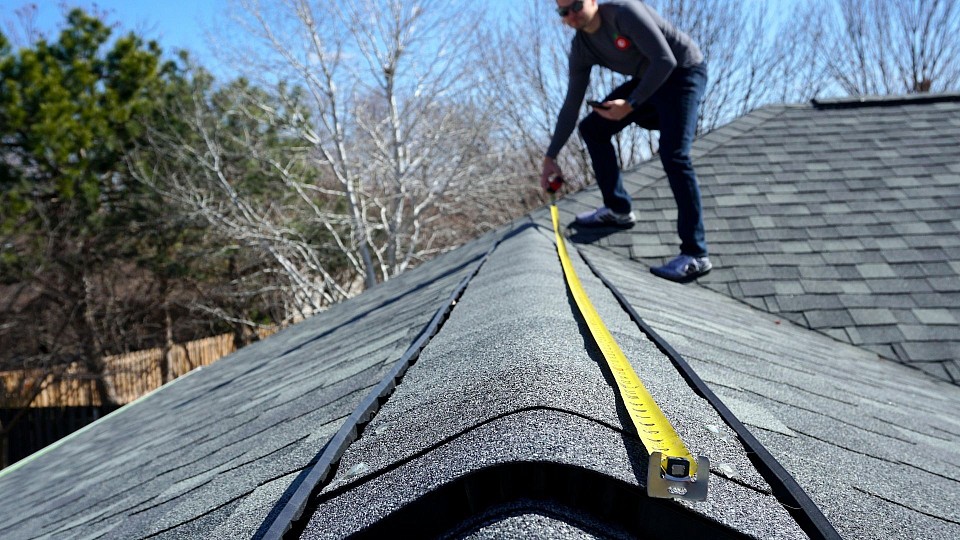
Understanding the Value of a Professional Roofer for Your Home
When it comes to maintaining and enhancing your home, one of the most critical components is undoubtedly the roof. It provides protection against the elements, contributes to the aesthetic appeal of your property, and plays a significant role in energy efficiency. Engaging a professional roofer ensures that all aspects of roofing—from installation to repair—are handled with precision and care. In this article, we explore the array of services offered by professional roofers that contribute to the longevity and integrity of your home's roofing system.
1. Shingle Roofing Installation and Repair
Shingles are one of the most popular roofing materials used across many homes due to their affordability and versatility. A professional roofer can expertly install shingle roofs, guaranteeing that each piece is correctly placed to provide optimal protection. Over time, shingles may require repairs due to weather damage or wear-and-tear. A skilled roofer can assess any issues and perform necessary repairs, extending the life span of your roof while maintaining its protective qualities.
2. Rubber Roofing for Flat or Low-Slope Roofs
Flat or low-slope roofs present unique challenges that require specialized solutions like rubber roofing. This material is known for its durability and water resistance, making it ideal for structures with minimal pitch. Professional roofers possess the expertise to install rubber roofing systems effectively, ensuring they are watertight and secure against potential leaks.
3. Rolled Asphalt Roofing Solutions
For budget-conscious homeowners with flat or low-slope roofs, rolled asphalt roofing offers an economical yet reliable alternative. Proper installation by a seasoned roofer is crucial for this type of material as it must be laid down with precision to prevent water penetration and ensure longevity.
4. Metal Roofing Installation
Metal roofing has gained popularity due to its long life span, resistance to extreme weather conditions, and energy efficiency benefits. Though often more expensive upfront than other materials, metal roofs can provide significant savings over time due to their durability and minimal maintenance needs. Experienced roofers understand how to handle metal materials properly during installation—critical for maximizing these benefits.
5. Gutter Installation Services
Gutters play an integral part in managing rainwater runoff from your roof; without them, water could seep into your home's foundation or cause erosion around the structure. A professional roofer not only installs gutters but also ensures they are correctly aligned with your roofing system for maximum efficacy in water diversion.
As you consider these services provided by professional roofers, it’s important to recognize their value extends beyond mere craftsmanship; they offer peace of mind knowing that one of your home’s most essential components is in competent hands. When selecting a contractor for any roofing project—whether it be new installations or repairs—it’s crucial not just to look at cost but also at reputation and experience within the industry.
A well-maintained roof not only protects you from natural elements but also enhances curb appeal—if done right by an experienced contractor who understands local climate nuances as well as architectural styles prevalent in Windham, ME area homes.
Entrusting such an important aspect of your home’s upkeep requires confidence in those you hire; thus engaging reputable professionals proficient in various types of roofing solutions assures you receive quality workmanship tailored specifically towards protecting your investment long-term.
By understanding what comprises thorough rooftop care through services mentioned above—shingle repair/installation; rubber application on flat/low-sloped areas; rolled asphalt placement; metalwork intricacies plus gutter alignment—you’ll appreciate why choosing qualified experts becomes paramount when considering any form of rooftop intervention required at your residence.
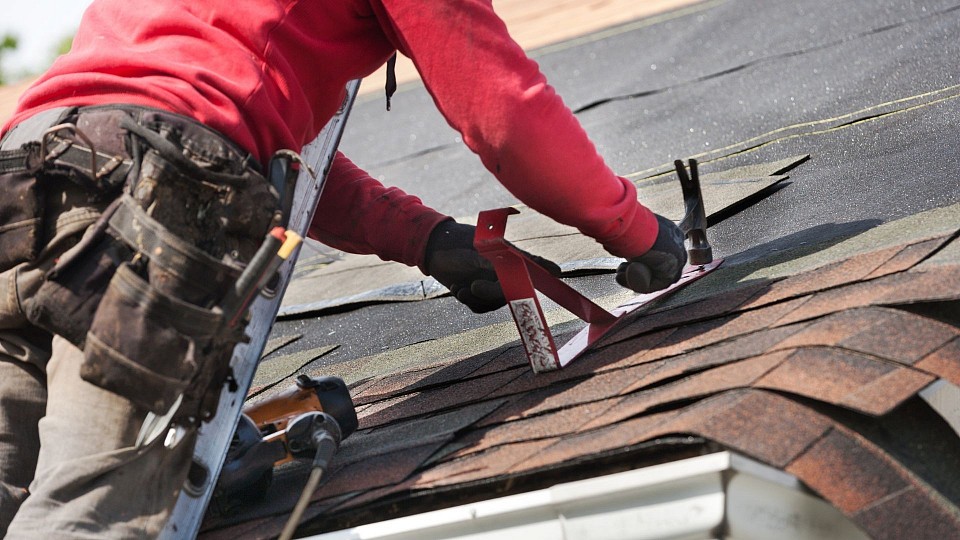
Essential Services Offered by Your Local Roofing Contractor
The roof over your home or business serves as the first line of defense against the elements. It is crucial to ensure that your roofing system remains in top condition to protect your property effectively. Local roofing contractors play an essential role in maintaining the integrity of roofs through various services tailored to meet specific needs. Here are five essential services provided by roofing contractors that help maintain and enhance the longevity and performance of roofing systems.
1. Shingle Roofing Installation and Repair:
Shingle roofs are popular due to their affordability, durability, and aesthetic appeal. A local roofing contractor can provide expert installation services, ensuring that your shingle roof is properly installed for maximum protection and longevity. They also offer repair services for shingles that may have been damaged due to weather conditions or other factors, such as missing or broken shingles, leaks, or general wear and tear.
2. Rubber Roofing for Flat or Low-Slope Roofs:
Rubber roofing is an excellent option for flat or low-sloped roofs because of its resistance to extreme weather conditions and potential leaks. A knowledgeable contractor will be able to install rubber roofing materials with precision, creating a watertight seal that protects the building from water damage. They also perform regular maintenance checks and repairs when necessary to ensure that the rubber roof remains effective.
3. Rolled Asphalt Roofing:
Rolled asphalt roofing is another solution typically used for buildings with low-slope or flat roofs. This type of material offers a quick and effective way to cover large areas, providing a durable layer of protection against water infiltration. Professional contractors handle both installation and repair services for rolled asphalt roofing, addressing any issues promptly to prevent further damage.
4. Metal Roofing Installation:
Metal roofs have gained popularity due to their long lifespan, energy efficiency, and minimal maintenance requirements. Installing metal roofing requires specialized knowledge and skills; thus, it’s important to hire a trusted local contractor who has experience working with this material. They ensure proper installation techniques are followed so you can enjoy the full benefits of a metal roof.
5. Gutter Installation:
Gutters are an integral part of any roofing system as they direct water away from the foundation of a building, preventing potential structural damage. Contractors provide gutter installation services designed to complement your current roofing system while enhancing its functionality. Well-installed gutters reduce erosion around the property and mitigate risks associated with water pooling near the base of walls.
These vital services offered by local contractors keep our homes safe from environmental hazards while preserving their value over time.
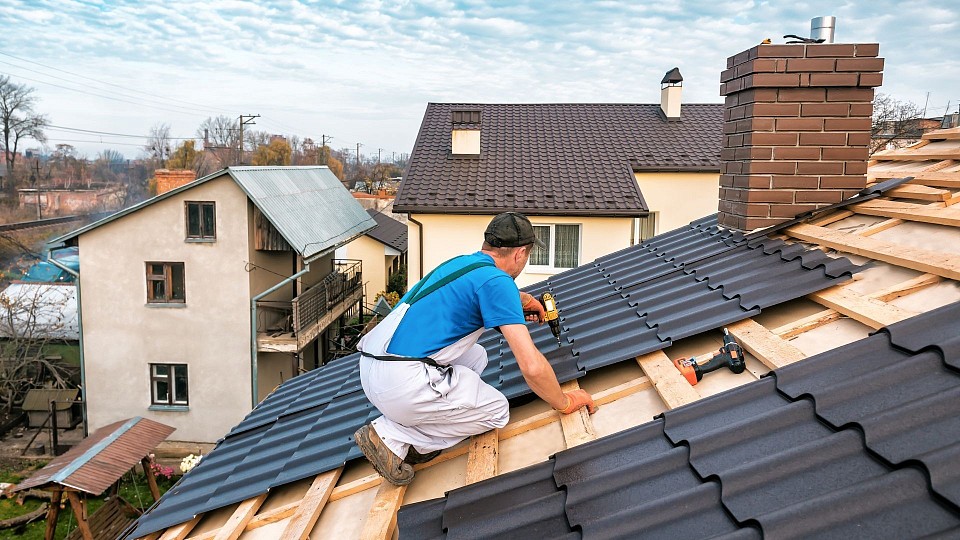
Essential Considerations for Selecting Roofing Materials and Services
When it comes to safeguarding your home from the elements, the roof plays an indispensable role. The right roofing materials coupled with skilled installation and maintenance can provide long-lasting protection and aesthetic appeal to your property. As homeowners research roofing companies to undertake such critical projects, understanding the various materials and services available is essential in making informed decisions. Here are five key considerations for selecting roofing materials and services:
1. Durability of Shingle Roofing
Shingle roofing is a popular choice among homeowners for its blend of affordability, durability, and aesthetic variety. When considering shingle roofing installation or repair, it's important to look at the lifespan of different shingle materials. Asphalt shingles are widely chosen due to their cost-effectiveness and decent life expectancy, while higher-end options like architectural shingles offer enhanced durability and a more distinctive appearance.
2. Benefits of Rubber Roofing for Flat Surfaces
For those with flat or low-slope roofs, rubber roofing is an excellent option that provides superior weather resistance and longevity. Rubber membrane roofs are known for their ability to withstand extreme temperatures and resist water penetration, making them ideal for regions experiencing varied weather conditions. Additionally, due to their seamless application, they greatly reduce the chances of leaks—a common issue in flat roofs.
3. Rolled Asphalt Roofing Adaptability
Rolled asphalt roofing is another viable solution often used on low-slope residential roofs or as an underlayer on other types of roofing systems. Its ease of installation makes it a quick fix for many homes needing efficient coverage over large areas. While not as durable as some other options, rolled asphalt offers adaptability and can serve well in certain climates or as a temporary solution until a more permanent roof can be installed.
4. Longevity of Metal Roofing
Metal roofing has risen in popularity due to its exceptional longevity and minimal maintenance requirements over time. Homeowners who choose metal enjoy benefits such as energy efficiency—since metal reflects sunlight rather than absorbing heat—and resistance to fire, mold, insects, and adverse weather conditions like heavy snowfall or high winds.
5. Importance of Gutter Installation
Often overlooked but equally crucial is gutter installation which complements any quality roofing system by guiding rainwater away from the foundation of the house. Properly installed gutters prevent water damage to both the exterior walls and landscape around your home while also reducing erosion near the foundation—a must-have addition for comprehensive roof work that ensures lasting integrity against moisture-related issues.
Homeowners should seek out reliable roofing companies that have established reputations for delivering high-quality installations and repairs across these various material types. A trustworthy service provider will not only offer diverse solutions but also guide clients through selecting materials based on factors like climate suitability, desired aesthetics, budget constraints, and expected maintenance levels.
In conclusion, whether one opts for classic shingle roofs with their wide array of styles or leans towards rubber or metal options known for their robustness against nature's challenges—or even if just ensuring proper gutter function—the choice in both material and service provider will have lasting effects on a home's safety and curb appeal. It’s essential to partner with a well-regarded company that understands local needs while providing meticulous craftsmanship regardless of project scope—from new constructions to reroofing jobs—to ensure a solid investment above your head that stands the test of time.
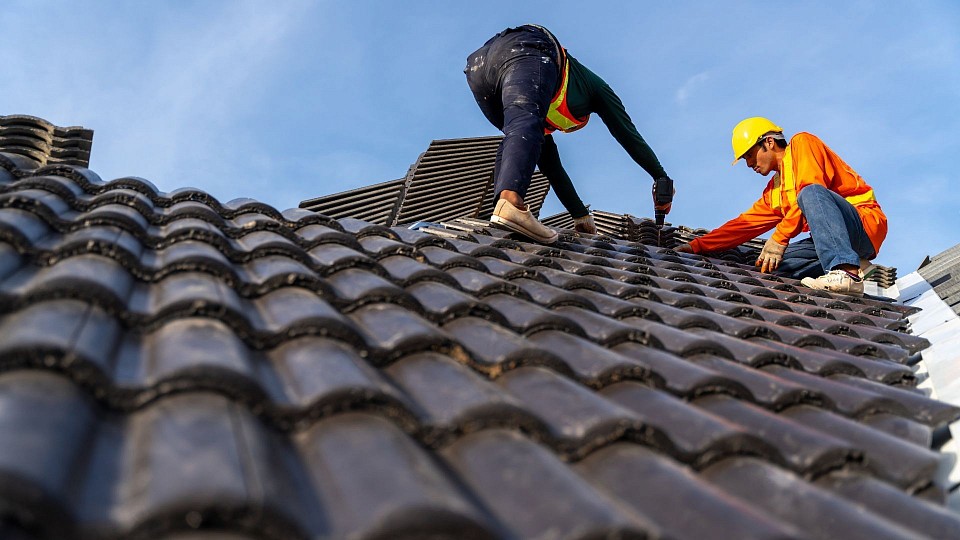
The Art and Science of Professional Roofing Services
Roofing services are an essential aspect of building and maintaining a safe, secure, and aesthetically pleasing home or commercial property. From shingle roofing installation to rubber roofing solutions for low-slope structures, the industry offers a variety of materials and techniques to fit different needs. Understanding the range of services provided by professional roofing companies can help property owners make informed decisions regarding their roofing investments.
1. Shingle Roofing Installation and Repair:
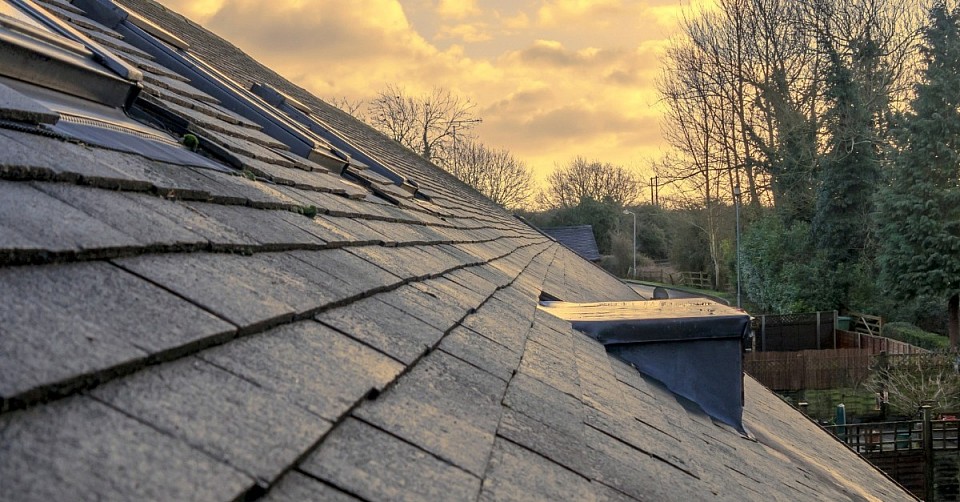
Shingle roofing is one of the most popular choices for residential properties due to its versatility in style, color, and material options. Professional roofers are skilled in installing new shingle roofs that not only enhance curb appeal but also provide substantial protection against weather elements. Over time, repairs may be necessary due to normal wear or damage from external factors such as storms. Expert roofers assess the extent of damage and perform precise repairs or replacements to ensure longevity and durability.
2. Rubber Roofing for Flat or Low-Slope Roofs:
Rubber roofing systems, commonly made from EPDM (ethylene propylene diene terpolymer), are ideal for flat or low-slope roofs often found on commercial buildings. These systems offer excellent resistance to extreme temperatures, UV radiation, and even some chemicals. Rubber roofing is known for its long lifespan and relatively low maintenance requirements. When installed correctly by professional roofers, it provides a waterproof seal that protects the structure from water infiltration.
3. Rolled Asphalt Roofing:
For budget-conscious projects requiring a reliable solution, rolled asphalt roofing is a practical option suited for both residential and commercial applications with low incline roofs. The material consists of asphalt-bound sheets rolled onto the roof deck providing a continuous layer of protection against leaks. Professional installation ensures proper alignment, sealing at seams, and securement to withstand environmental stresses.
4. Metal Roofing Installation:
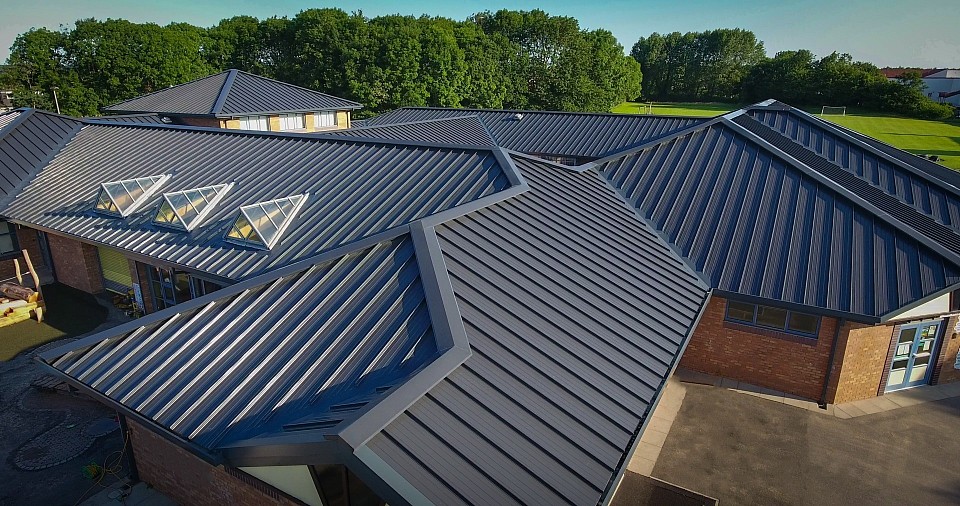
Metal roofing has gained popularity due to its durability, energy efficiency, longevity, and environmental friendliness since it's often composed of recyclable materials. Available in various types such as steel, aluminum, copper or zinc alloys; metal roofs can suit diverse architectural styles while providing exceptional performance against fire hazards and severe weather conditions like high winds or hail storms.
5. Gutter Installation:
An often overlooked but vital component of any comprehensive roofing system is gutter installation which directs rainwater away from the foundation thus protecting structural integrity; preventing basement flooding; reducing erosion around foundation areas; mitigating paint damage caused by splash-back; discouraging pest infestation by limiting standing water near home perimeter; preserving landscaping efforts effectively channelled away through properly installed gutters designed specifically match individual properties unique drainage needs ensuring optimum functionality throughout all seasons year after year when maintained accordingly professionals field expertise recommend best materials styles accommodate client preferences while guaranteeing maximal efficiency every step way during process beginning end no detail missed importance this cannot overstated plays crucial role overall health building’s envelope system itself therefore should always be considered part any quality service offering reputable company provides.
Selecting the Right Roofing Material for Your Windham Home
When it comes to protecting your home from the elements, the roof plays an indispensable role. In Windham, where weather conditions can vary greatly throughout the year, selecting the right roofing material is crucial. Homeowners must consider both aesthetic preferences and functional requirements when deciding on their next roofing project. Here are five key considerations that can help guide you in choosing the perfect roofing material for your home.
1. Durability and Longevity
In a region like Windham, where roofs are exposed to a range of weather conditions including wind, rain, and snow, durability is a primary concern. Shingle roofing installation and repair services offer a balance between cost-effectiveness and resilience against environmental factors. Asphalt shingles are well-known for their reliability and have a lifespan that makes them an attractive option for many homeowners.
For those looking at longevity, metal roofing installation could be an ideal choice. Metal roofs not only withstand harsh weather but also often come with extended warranties due to their impressive durability. Their ability to last several decades makes them a worthwhile investment for those planning long-term upkeep of their property.
2. Compatibility With Home Architecture
Your home's architectural style will largely influence the type of roofing material you choose. A traditional New England colonial might look best with classic shingle roofing that complements its timeless design. On the other hand, modern or industrial-style homes may benefit from the sleek lines of metal roofing which can add to their contemporary aesthetic.
3. Maintenance Requirements
Another important factor in your decision should be maintenance needs associated with different types of roofs. Shingle roofs require regular inspections to ensure individual shingles haven't been damaged or blown away by strong winds commonly experienced in Windham areas.
Meanwhile, rubber roofing is known for low maintenance requirements—especially beneficial for flat or low-slope roofs where water pooling might be an issue. This type of material is resilient against leaks and can provide long-lasting protection with minimal upkeep.
4. Energy Efficiency Concerns
With increasing awareness around energy conservation, homeowners are considering how their choice of roofing materials impacts heating and cooling costs. Certain materials such as metal reflect solar heat rather than absorbing it—keeping homes cooler during hot summer months and reducing air conditioning costs.
Similarly, rolled asphalt roofing provides good insulation properties which can help maintain comfortable indoor temperatures year-round while potentially lowering heating bills during colder seasons in Windham.
5. Additional Features: Gutters Installation
While not directly part of your roof's surface area, gutters play a critical role in managing water drainage from your roof—a particularly important consideration in regions prone to heavy rainfall or melting snowfall like Windham areas.
As part of your overall roofing project plan, gutter installation ensures that water is properly channeled away from your home's foundation—preventing potential water damage issues down the line.
In conclusion, choosing the right material for your roof involves careful consideration of various factors including durability under local climate conditions; compatibility with architectural style; maintenance needs; energy efficiency; and additional features such as proper gutter systems for effective water drainage.
By weighing these points carefully against personal preferences and budget constraints, homeowners in Windham can make informed decisions about their roof that will ensure lasting protection and added value to their property—a task made easier when working with knowledgeable local contractors who understand these unique regional considerations.